We’re committed to looking after the land, hens, people and communities around us. That responsibility guides how we operate today and plan for tomorrow.
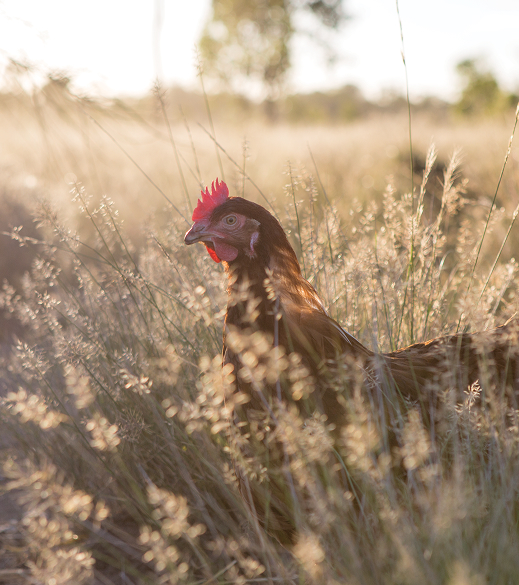
OUR COMMITMENT
At Ellerslie Farms, we feel a deep sense of responsibility to our land. It’s why sustainability is a cornerstone of our business, reflected in the work we do every day. We produce high-quality eggs while reducing our environmental impact and supporting responsible farming.
Responsible production
From feed sourcing to production practices, we’re always looking for better ways to farm responsibly.
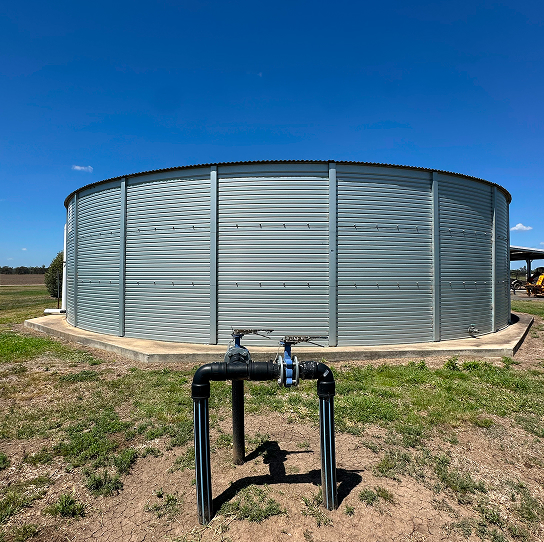
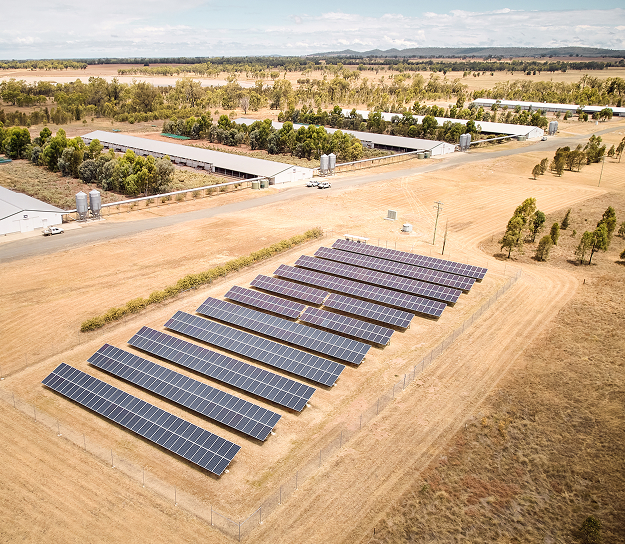
Energy & water
Using water and energy more efficiently throughout our operations.
Our sustainability strategy
Sustainability is a journey – one that calls for long-term thinking and a commitment to keep improving the way we operate.
Our strategy guides our work to lower our environmental impact. It includes managing climate risk, increasing the use of renewable energy, using water more efficiently, protecting biodiversity, reducing food waste and recycling. Alongside this, our Climate Transition Plan sets targets and actions to reduce greenhouse gas emissions, and we’re exploring new approaches to challenges like manure management. Together, these actions support our purpose of producing quality eggs responsibly.


Our sustainability pillars
How we take sustainability responsibly
For us, sustainability means caring for the environment, people, animals and our communities – and being accountable for the decisions we make. These pillars underpin our strategy.
We approach environmental sustainability through measurable actions, from how we source feed and manage waste, to how we use energy and water, protect biodiversity and improve production. Our Climate Transition Plan puts targets and actions in place to reduce greenhouse gas emissions, and we hold carbon-neutral certification.
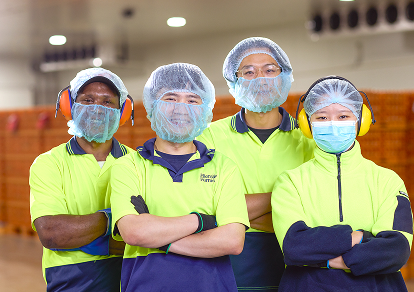
We prioritise a safe, inclusive workplace and strong relationships with our local communities. Our commitment to responsible practices extends to animal welfare across our operations and supply chain, where we uphold ethical standards, and to delivering safe, high-quality products that meet our customers’ expectations.
We build accountability and transparency into how we operate, from measuring our environmental and social impacts to upholding ethical standards across our business and supply chain. Recognised frameworks, certifications and best practices guide our approach, helping us build trust and to support the long-term resilience of our business.